NOXTAK® Technologies

Since 2012

We Started With a Personal Crisis

When one of our founders developed severe electromagnetic hypersensitivity and found no real solutions on the market, we didn't wait for someone else to fix it. We built the answer ourselves.

13+

Years of R&D

80+

Patents

5

International Awards

1,000+

Cases Documented

The Company

What is NOXTAK?

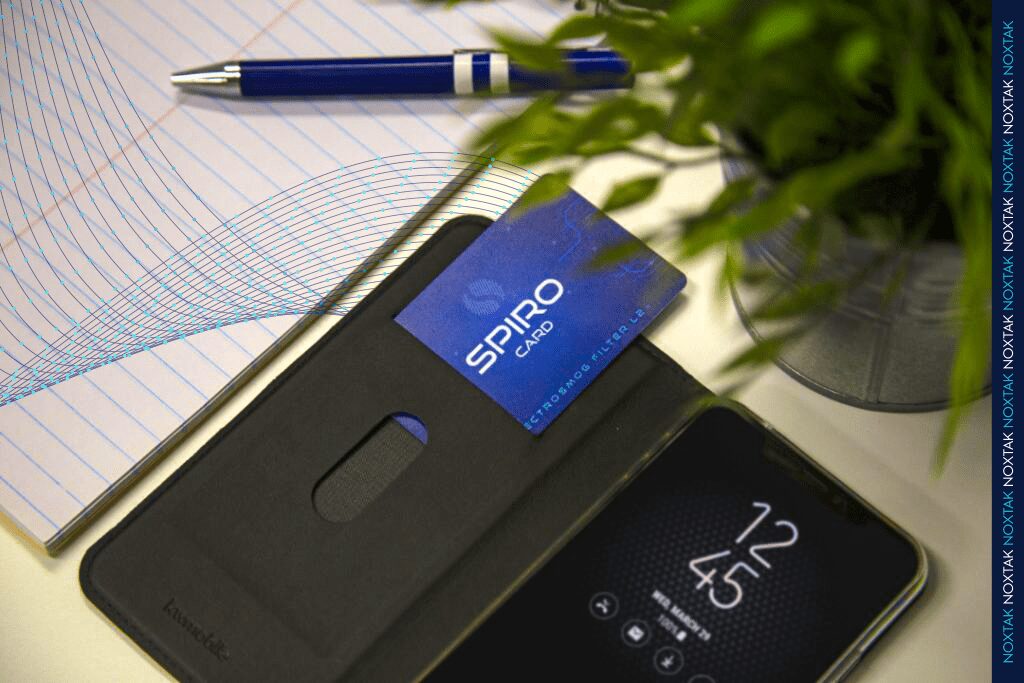
NOXTAK is a nanotechnology company that developed SPIRO® (Spin Radiation Organizer), a patented material that filters electromagnetic pollution without blocking signals. Unlike shielding approaches that interfere with connectivity, SPIRO works by organizing the disturbed spin polarization in artificial electromagnetic waves — making them compatible with biological systems.

We don't ask people to stop using technology. We make technology safer to use.

Every device powered by electricity or wireless communication emits electromagnetic disturbances: Radio Frequency Interference, Electromagnetic Interference, Dirty Electricity, and more. Science has increasingly linked these emissions to biological effects — from sleep disruption to oxidative stress. SPIRO addresses the root cause of these effects: the artificial polarization of waves that our bodies weren't designed to handle.

Our technology has been validated by independent laboratories, recognized with international innovation awards, and patented across nine countries. It's deployed in consumer products, professional services, and industrial applications — from personal devices to smart buildings.

The Beginning

Our Story

Marianella Romero spent years suffering from Electromagnetic Hypersensitivity. Headaches. Fatigue. Sleep disruption. Cognitive fog. She tried every product on the market — shielding fabrics, pendants, harmonizers — nothing worked. Most were pseudoscience dressed up in scientific language.

In 2012, she and her husband Joaquín Machado, an EMF researcher, decided to stop waiting for a solution and start building one. They launched NOXTAK as a research project on the island of Aruba, assembling a multidisciplinary team of specialists in health, telecommunications, and environmental science.

J. Joaquín Machado

J. Joaquín Machado

CEO / Co-Founder / EMF Researcher

LinkedIn
Marianella Romero

Marianella Romero

Co-Founder / Engineer / EHS Specialist

LinkedIn

The approach was different from the start. Instead of trying to block electromagnetic fields — which is impractical and often counterproductive — they focused on a question most researchers had ignored: What makes artificial EMF different from natural EMF at the fundamental level?

The answer led them to spin polarization and nanomagnetism. After years of research, they developed SPIRO — a material that doesn't block radiation but organizes its disturbed polarization, making it compatible with biological systems. The technology was sent to IGEF (International Society for Electrosmog Research) for independent validation. It worked.

7

Years of Pilot Study in Aruba

453%

EMF Exposure Increase Documented

29

Common EHS Symptoms Identified

50+

Case Studies Completed

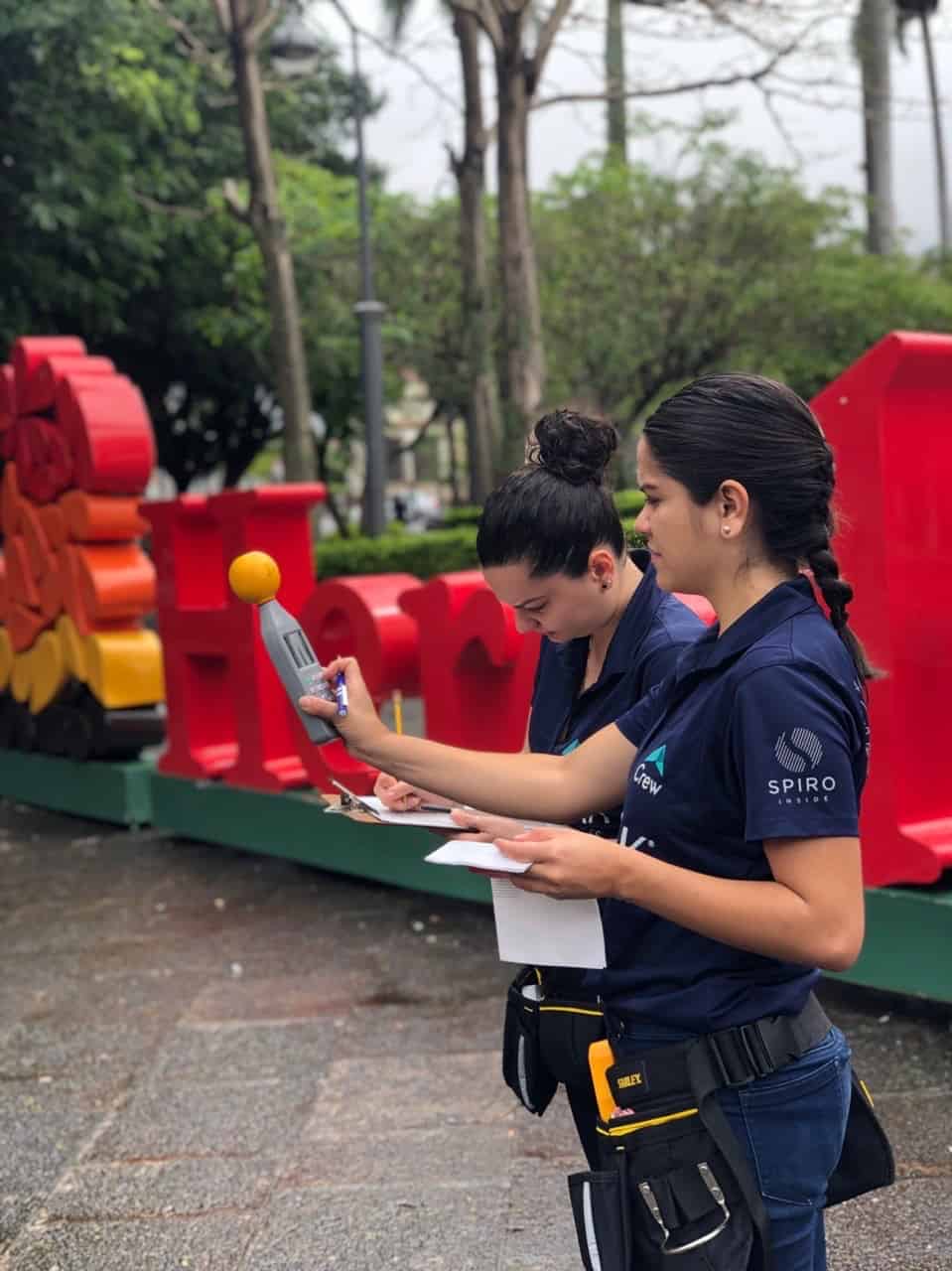
From 2013 to 2020, NOXTAK conducted a comprehensive environmental monitoring pilot across Aruba — over 90 square miles of continuous assessment. The data confirmed what many suspected: electromagnetic exposure was increasing dramatically, and so were the reported symptoms. More importantly, the case studies showed consistent improvement when SPIRO was properly implemented.
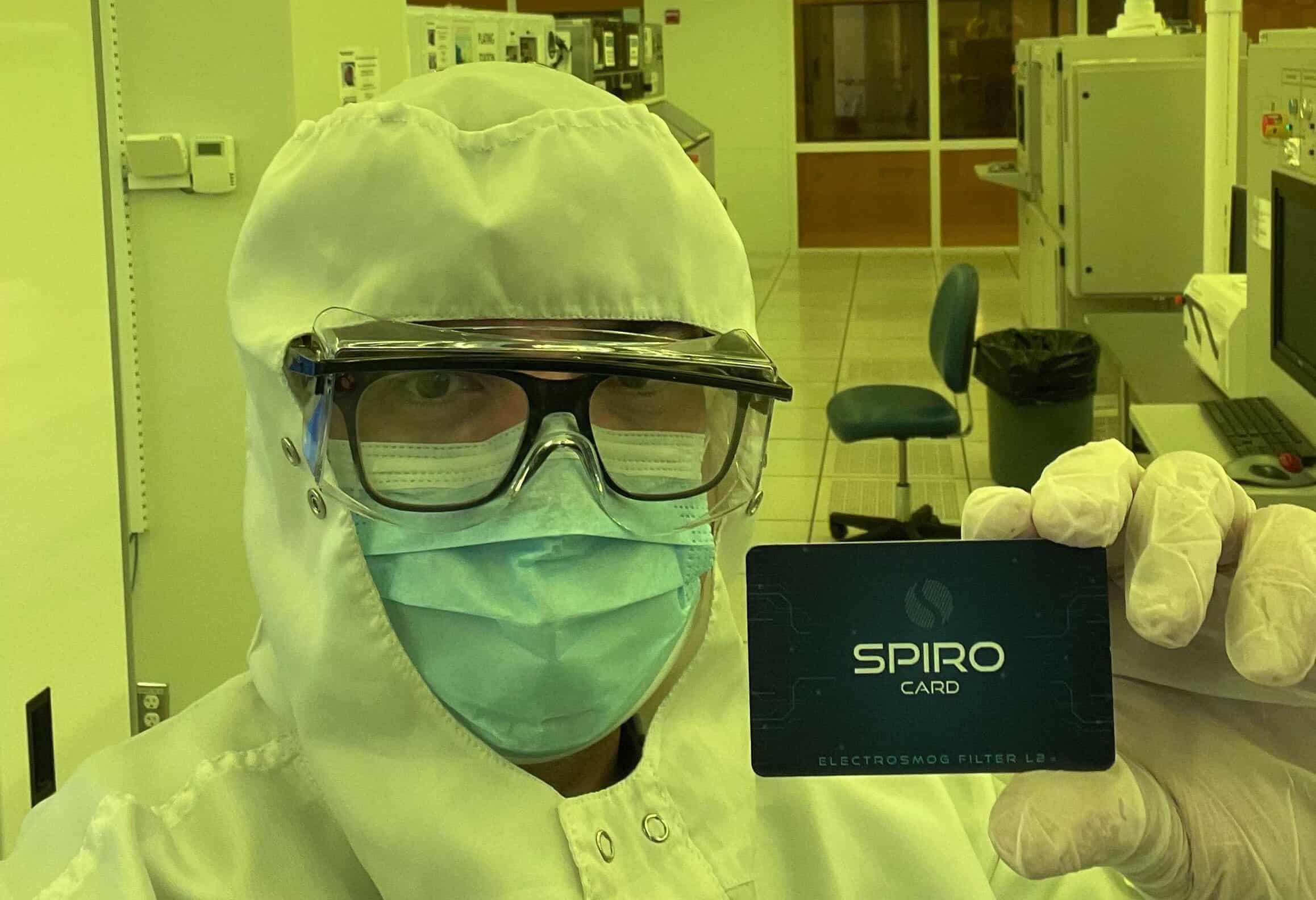
What started as one woman's health crisis became a globally patented technology, recognized by Edison Awards, German Innovation Awards, and the Consumer Technology Association. Today, NOXTAK continues to bridge the gap between technological progress and human wellbeing.

Our Journey

NOXTAK's Timeline

2012

1 milestone

NOXTAK Logo

NOXTAK Project Foundation

2013

3 milestones

Environmental Research

NOXTAK was born as an environmental research and nanotechnology company

Aruba Pilot

Started the Pilot Project for EMF Environmental Monitoring in Aruba (2013-2020)

SPIRO Logo

Finished First Specimens of SPIRO material and sent them to IGEF for studies

2014

2 milestones

EHS Studies

Began EHS case studies in Aruba and Curacao

US Registration

NOXTAK® is registered as a company in the United States

2015

3 milestones

Brand Registration

NOXTAK® and SPIRO® brands were registered in the USA and worldwide

SPIRO Formulation

Presented the final formulation of the SPIRO® Material

Telecom Labs

Began technical studies with independent TELECOM laboratories

2016

11 milestones — A breakout year

USPTO WIPO

Presented the SPIRO® nanotechnology patents to the USPTO and WIPO

MWC Barcelona

Exhibition at the Mobile World Congress in Barcelona

Amsterdam

Exhibition at the Smart City Event 2016 in Amsterdam

UN 2030

Presentation of UN 2030 Sustainable Development Goals and Electrosmog

Costa Rica

Exhibition and Workshop at the Ecological Congress in Costa Rica

Green Architecture

Presentation on Green Architecture and Smart Buildings Electrosmog Challenges

2017

5 milestones

GEMS Patents

Filed GEMS sensor patents with the USPTO

EHS Census

Started the EHS Census of 29 Common Symptoms

First Assessment

First Assessment Cut (2013-2017) of the Aruba EMF Exposure Pilot

MWC Americas

Participated in the Mobile World Congress of the Americas

SPIRO 5G

Developed the first formulation of SPIRO® for upcoming 5G deployments

2018

3 milestones

VR AR Studies

Started studies on EMF emissions generated by VR / AR systems

ChangeXchange

Presentation at ChangeXchange 2018, Las Vegas

Latam Tour

Educational Tour across Latam (Ecuador, Peru, Uruguay, Colombia, Costa Rica)

2019

5 milestones — Award-winning year

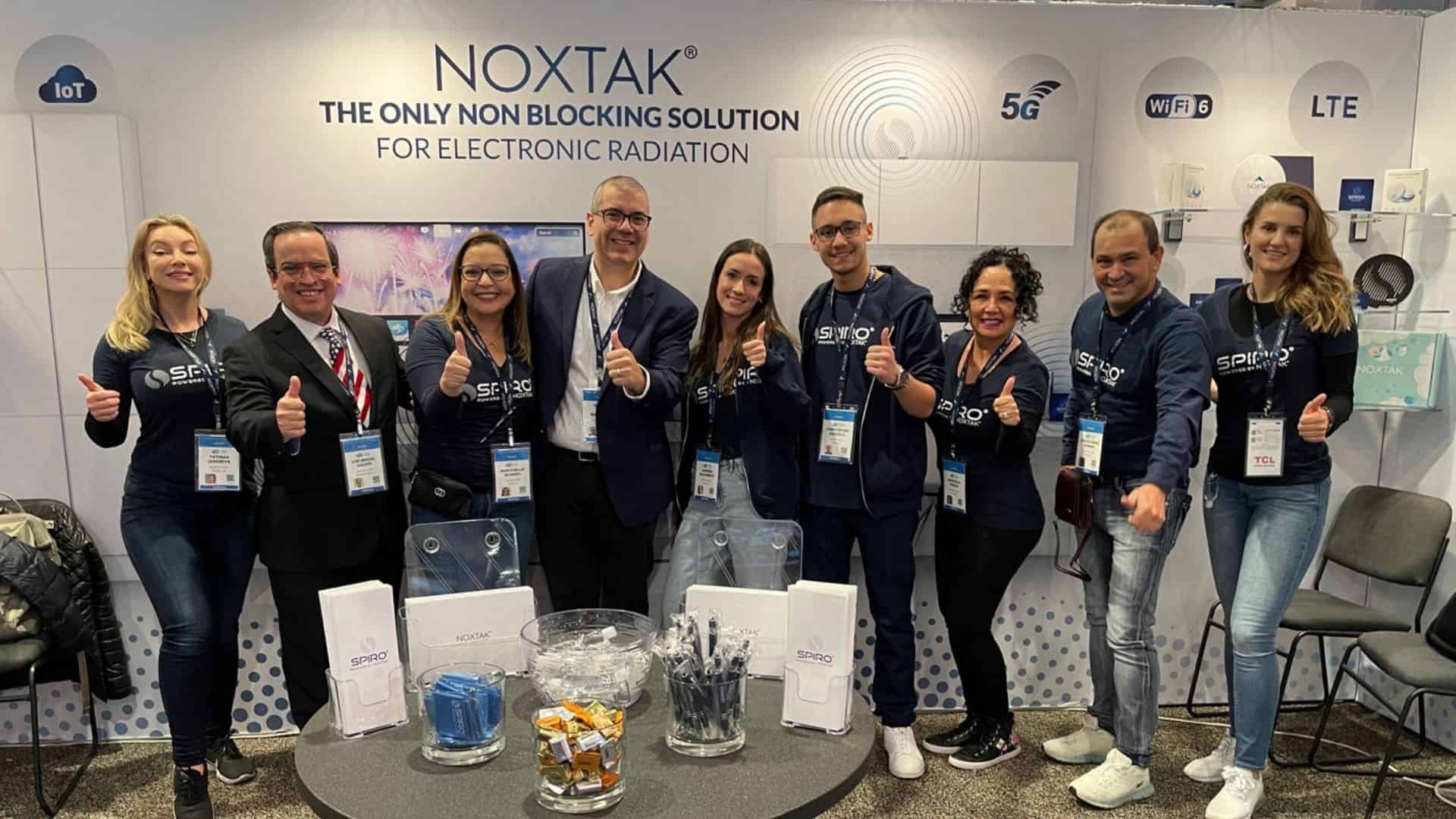
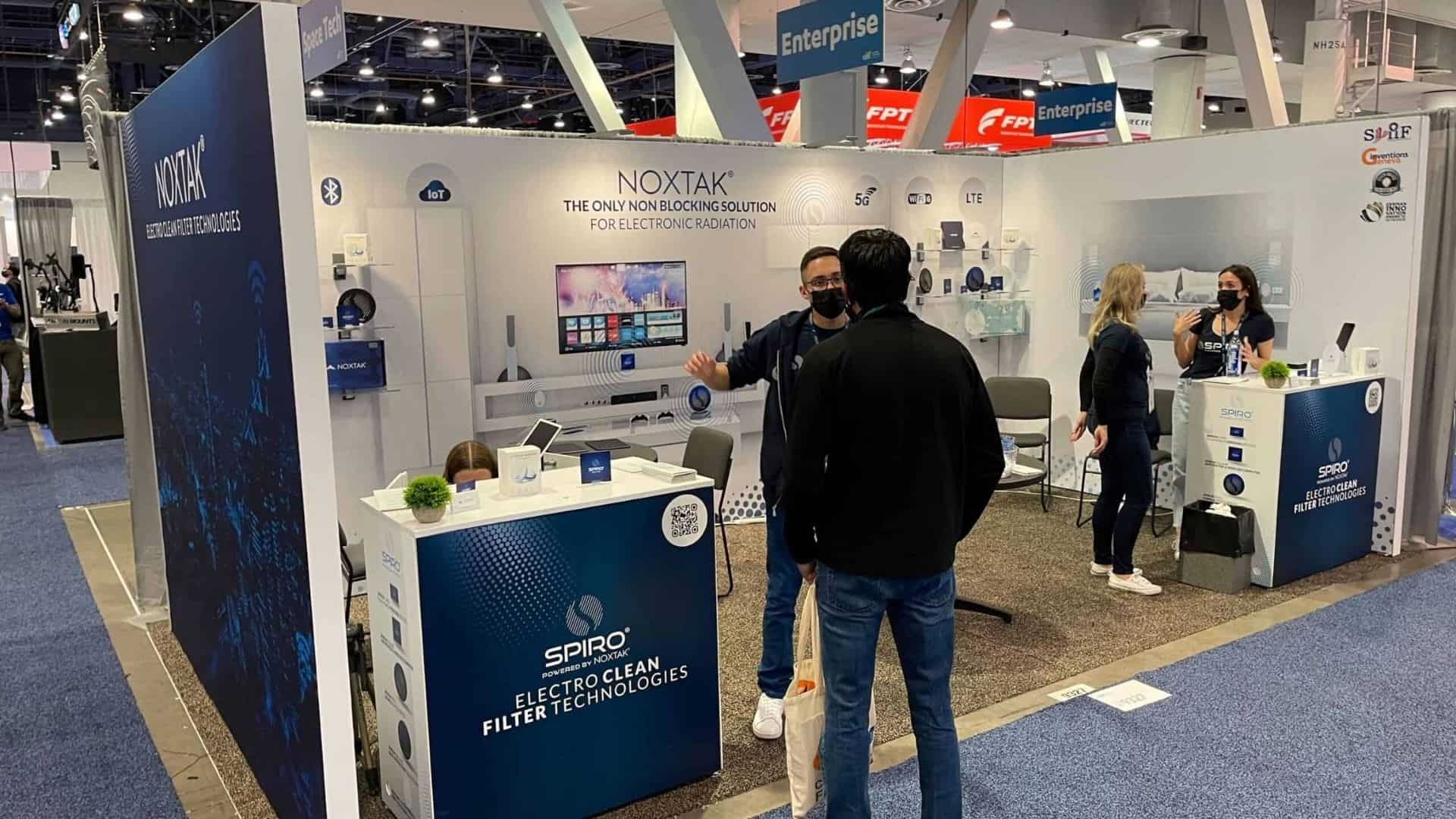
CES 2019

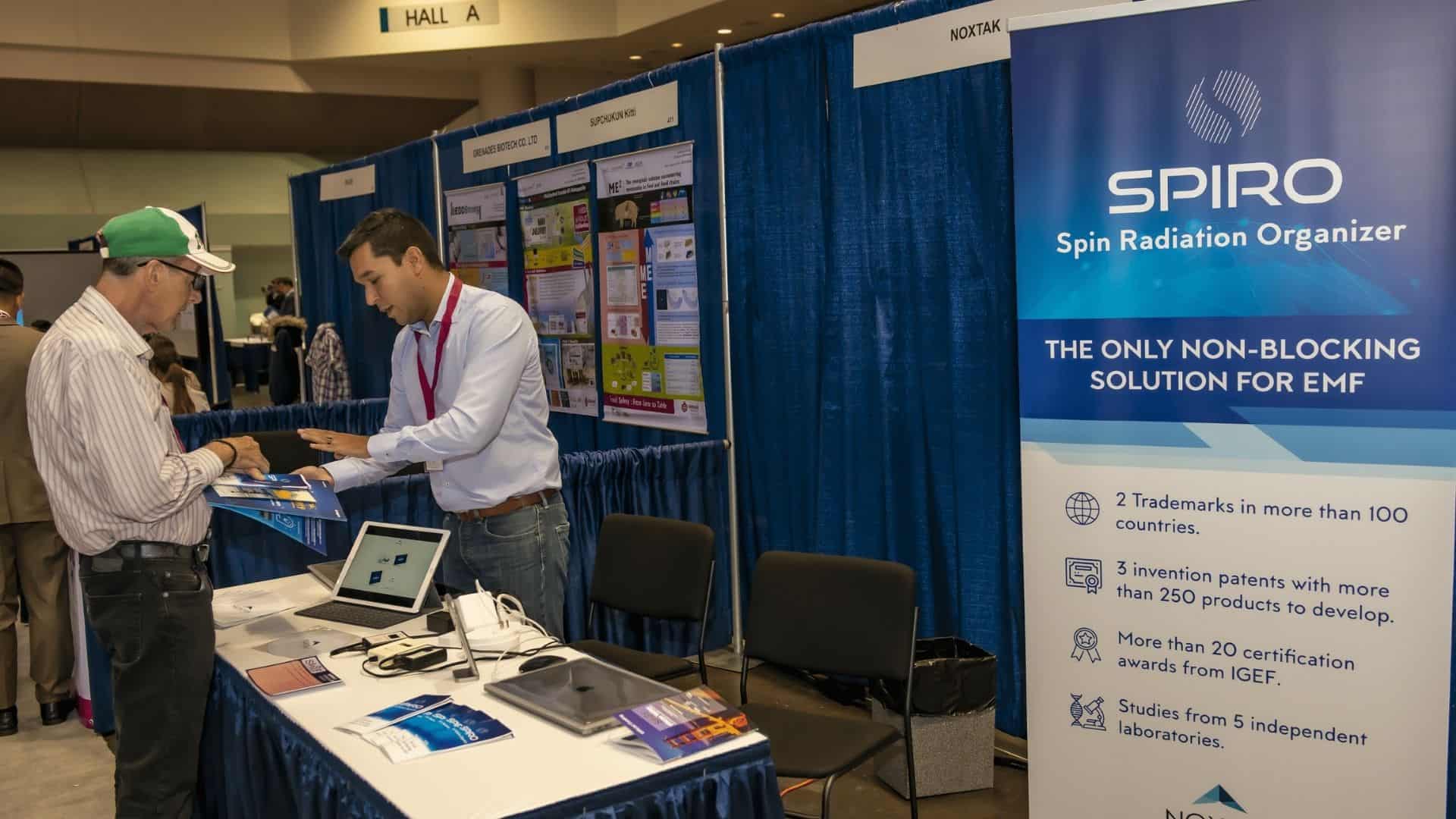
Exhibit in the Resilient Technologies Pavilion at CES2019, Las Vegas

CTA

Named one of the emerging disruptive techs in the 2019 CTA Sustainability Report

SVIIF Gold

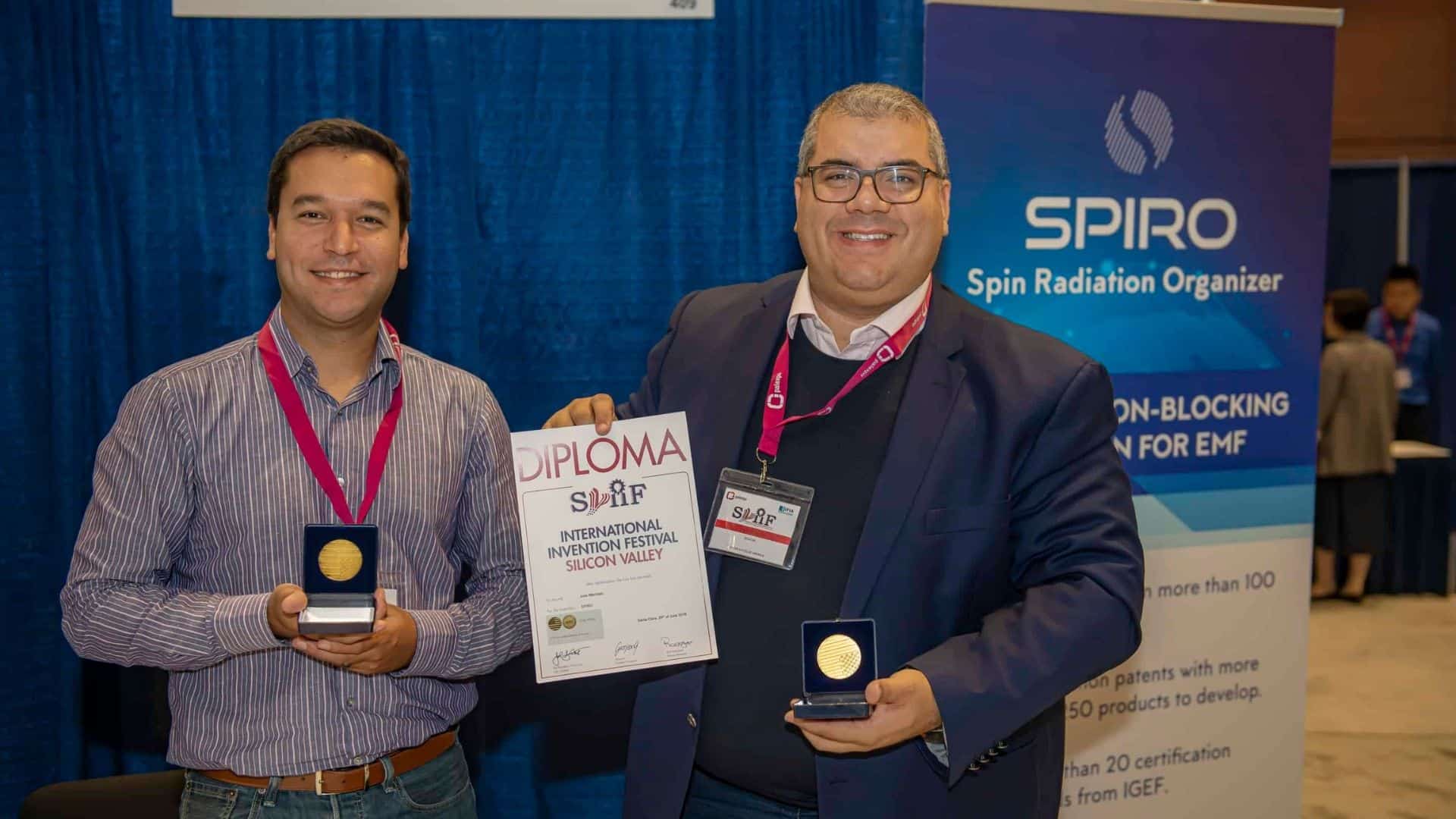
Won Gold Medal in Environmental Protection at SVIIF2019, Silicon Valley

Geneva Prize

Won the International Prize of the House of Geneva, Silicon Valley

EMFC 2019

Exhibit at the EMFC2019, California

2020

3 milestones

Edison Awards

Won Silver in Materials Science, Nanotech at the Edison Awards 2020

Aruba Pilot End

End of Aruba EMF Monitoring Pilot Project (2013-2020) — Report Emitted

Tinnitus Studies

Initial studies on Tinnitus and EMF

2021

5 milestones

German Innovation Award

Won Gold Medal at the 2021 German Innovation Awards

Tinnitus SPIRO

Initial Case Studies on Tinnitus / EMF, and SPIRO®

Water Studies

Studies on Water structuration and Food Preservation with SPIRO®

EPI Studies

Studies on EPI Environmental scanners using SPIRO®

Human EPI

Studies on Human EPI Stress Analysis — Cellphones — SPIRO®

The Innovation

SPIRO® Technology

Spin Radiation Organizer

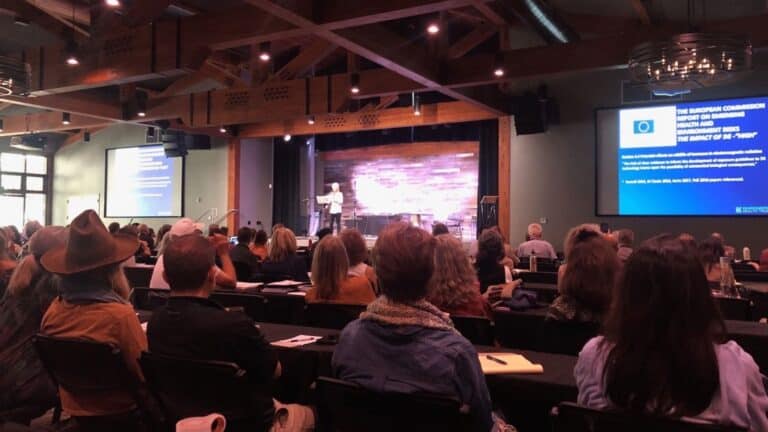
For decades, the EMF debate focused on intensity and frequency. But researchers like Panagopoulos, Johansson, and Carlo identified something more fundamental: artificial electromagnetic fields have a different polarization than natural ones. This artificial polarization is what disrupts biological systems.

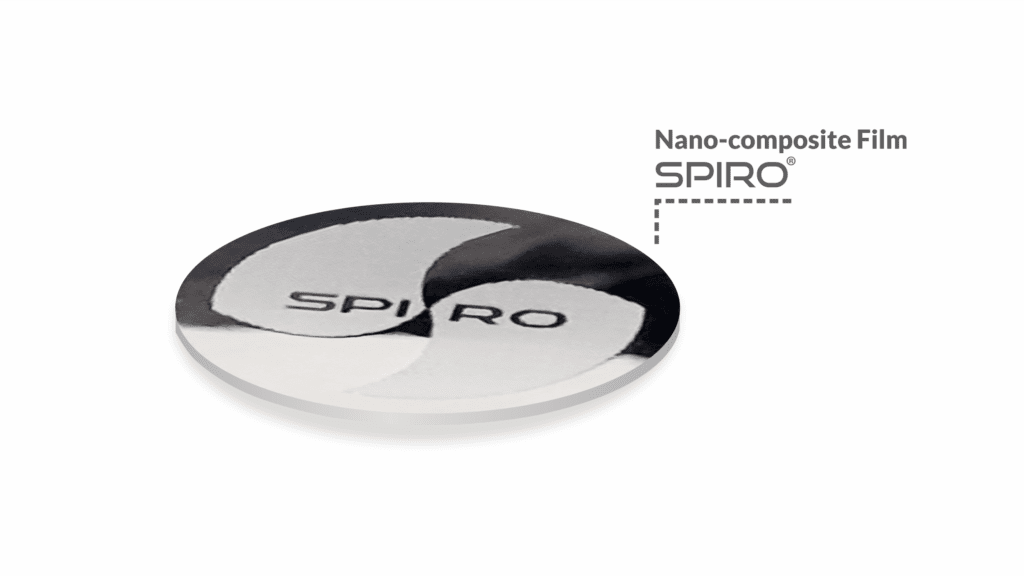
SPIRO is a nanocomposite material made of metal alloys that exhibit stable ferromagnetic behavior at the nanoscale. When electromagnetic waves interact with SPIRO, their spin polarization is naturally reorganized — without blocking the signal or adding energy to the environment.

The root of the problem isn't intensity — it's polarization. Change the polarization back to a natural state, and you significantly reduce the biological impact.

The result: clean emissions that maintain full connectivity while being compatible with the body's bioelectrical systems. This isn't about avoiding technology. It's about fixing what's wrong with how we've built it.

Technical Details
SPIRO Technology Diagram

Global Recognition

Awards & Honours

SPIRO® technology has been recognized by leading innovation organizations for its breakthrough approach to electromagnetic pollution.

Why This Matters

The Challenge We Face

The Technology Problem

The fourth industrial revolution runs on hyper-connectivity. IoT devices, 5G networks, smart cities — all generating unprecedented levels of electromagnetic emissions. The infrastructure we're building is vulnerable to the very interference it creates.

Network failures, device malfunctions, and system crashes are increasingly linked to electromagnetic disturbances that engineers can't easily trace. The ALARA principle (As Low As Reasonably Achievable) was never designed for this scale of deployment.

The Health Problem

Artificial EMFs are now everywhere — in our pockets, on our desks, throughout our homes. Shielding is impractical at this scale, and complete avoidance means disconnecting from modern life.

The scientific literature increasingly documents biological effects: altered heart rate variability, disrupted sleep patterns, oxidative stress, cellular changes. These aren't imaginary symptoms. They're measurable responses to an environmental factor we can no longer escape.

The shielding approach asks people to choose between technology and health. We reject that false choice. The solution isn't to block electromagnetic fields — it's to fix them at the source.

We've been using electrical technologies for over 150 years, but we're only now understanding what they do to biological systems. We're still in the early years of high exposure — which means we can still change course. The future demands clean technology. Not just green. Not just recyclable. Human-friendly.

J. Joaquín Machado

J. Joaquín Machado

CEO & Co-Founder

For Researchers & Professionals

Technical FAQ

Is SPIRO® a subtle energy device?

No. SPIRO is a nanocomposite material with measurable ferromagnetic properties. It doesn't emit energy or frequencies. It's a passive filter: electromagnetic waves that interact with its nanomagnetic structure undergo natural spin reorganization. The effect is physical, not energetic.

How does it work without blocking signals?

SPIRO doesn't interfere with wave trajectory or signal strength. It affects the spin polarization of particles within the electromagnetic field. Radiation from artificial sources interacts with the material's nanomagnetic properties, and the disturbed spin polarization is reorganized to a natural state. The signal continues to propagate normally — it's just no longer carrying the artificial polarization that causes biological stress.
What's the "action range" of your products?

It depends on the frequency. For radio waves (RF), the material needs about an hour after initial placement to build maximum response. The filtering effect extends several feet in open space and diminishes through walls depending on their density. For extremely low frequency (ELF) and low frequency (LF) fields, the material must be placed directly on or near the source — distance significantly reduces effectiveness at these frequencies.

How do you measure this objectively?

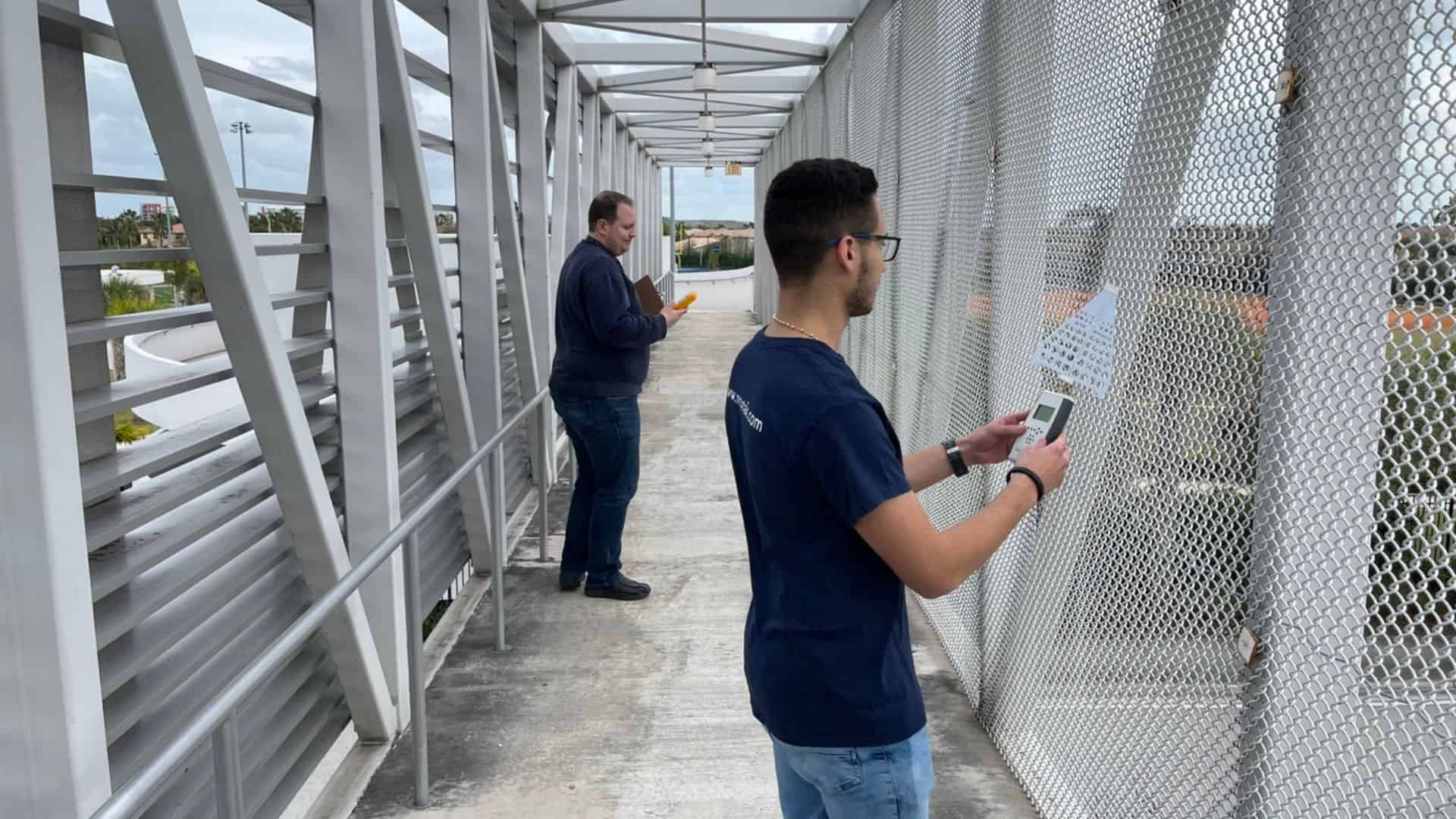
Multiple methods. In controlled lab environments: OTA (Over-The-Air) and EMC tests. In field conditions: RF spectrum analysis, WiFi spectrum analysis to track changes in signal propagation patterns, and biophotonic environmental scans using GDV cameras. We also measure practical outcomes like download/upload speeds, noise levels, and signal-to-noise ratios before and after implementation.

Do you have peer-reviewed published studies?

Yes. A double-blind clinical study was published in the Journal of Applied Biotechnology & Bioengineering. Conducted by the Saint-Petersburg Scientific-Research Institute for Physical Culture with the North-Western Medical University, it tested 50 subjects over 30 days measuring HRV, sleep quality, and stress index. The experimental group showed significant positive changes; the control group showed negative changes over the same period.

What independent verification exists?

IGEF (International Society for Electrosmog Research) conducted HRV tests on 20 EHS cases between 2013-2015 and certified our products for improving HRV and autonomic nervous system activity. Dr. Robert M. Leal Lue followed 144 EHS cases using SPIRO products from 2014-2018. Prof. Konstantin Korotkov, inventor of the GDV camera, verified SPIRO's functionality in his own lab.

What's the scientific basis for targeting polarization?

The foundational research comes from scientists including Dimitris J. Panagopoulos, Olle Johansson, and George L. Carlo, whose paper "Polarization: A Key Difference between Man-made and Natural Electromagnetic Fields, in regard to Biological Activity" identifies artificial polarization as the core biological problem with man-made EMF — not intensity or frequency alone.

Do you recommend avoiding technology precautions?

No. We support the ALARA principle (As Low As Reasonably Achievable). SPIRO complements exposure reduction strategies — it doesn't replace them. For EHS individuals, we recommend habit changes, proper nutrition, detox protocols, light quality assessment, power quality verification, and grounding, alongside SPIRO implementation. The goal is coexistence with technology, not dependence on any single solution.

Do you treat EHS patients?

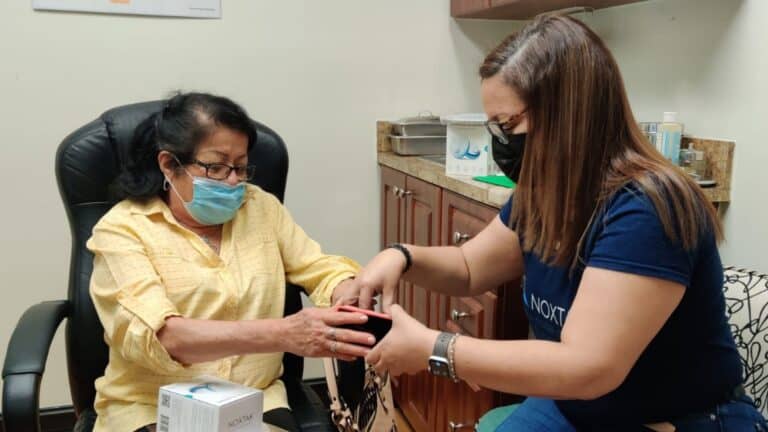
No. We treat environments, not people. We guide individuals toward appropriate medical and environmental support — functional medicine specialists, environmental doctors, proper nutrition protocols — while providing tools to reduce environmental electromagnetic stress. When the environment improves, symptoms typically improve. But we're not a medical intervention.

Is biophotonic measurement scientifically valid?

Yes. NOXTAK co-founder Joaquín Machado completed a thesis at UNEATLANTICO University in 2021 demonstrating the scientific rigor of using GDV cameras to test SPIRO effectiveness. The thesis received recognition from the academic panel. The GDV method was independently validated by Prof. Korotkov's lab. It's one of several measurement tools we use — not the only one.

Join the Movement

Ready to Experience Clean Technology?

Discover how SPIRO® technology can transform your environment and protect what matters most — your health, your family, and the planet.